Rethinking materials to protect margins

Advanced technology and new practices are difference-makers for small- and mid-sized contracting firms. This week’s issue covers connected machinery, light construction and the good and bad of AI. We also look into a troubling new result of the charged debate around immigration: harassment.
But first, meet some of the Black women making history in AEC.

>> Chew crew. Check out the elaborate and tasty lunches these construction workers prepare on the jobsite.
>> What’s on your playlist? Here's another one of those memes matching popular songs with common construction tasks.
>> Teachable moment. Find out about the downside of using ChatGPT without proper oversight.
>> It used to be what? Pick up some fun facts about what was once Manhattan’s largest apartment building.
>> Hard! This is how one local elected official used Olympic bobsledding to promote construction zone safety.

Immigration impacts increasing
Federal immigration policy has been making it harder for contractors like Maurice Rahming, president of O'Neill Construction Group, to find or train crew members with the skills their projects require.
“When we look at technicians to be able to do the work, the immigration policies are having a lot of those technicians become not as available,” he reports. (About a third of the industry’s workforce is Hispanic) “And so when we lose good people because of immigration policies, we also lose the ability to train new people, so it has a significant impact on how we look at doing work.”
But as public discourse around immigration becomes more negatively charged, a new problem has arisen: profiling.
Rahming says his employees, all of whom are U.S. citizens or documented immigrants, have been bullied, harassed, followed or watched when picking up materials, shuttling between jobs and on-site. “It has some pretty significant impacts,” he admits. "We have had employees that opted out and/or reduced hours... I'm losing talented people, and then it basically reduces our ability to do additional work... There are particular projects that we tend to now kind of shy away from in certain environments because we recognize that we're going to end up putting people in a position where it's uncomfortable for them to feel safe.”
Why it matters: As the midterm elections commence, candidates' campaigning may stoke more negative public sentiment, adding to the detrimental impact that ICE actions like Operation Metro Surge have already had on the industry. Even if this kind of profiling isn’t happening in your community, consider how the current environment is impacting your crews’ sense of safety and well-being. Being proactive could reduce distraction and fear, which may help keep them on the job. (Marketplace)
Learn what to do if ICE shows up.
Connected machines deliver multiple benefits
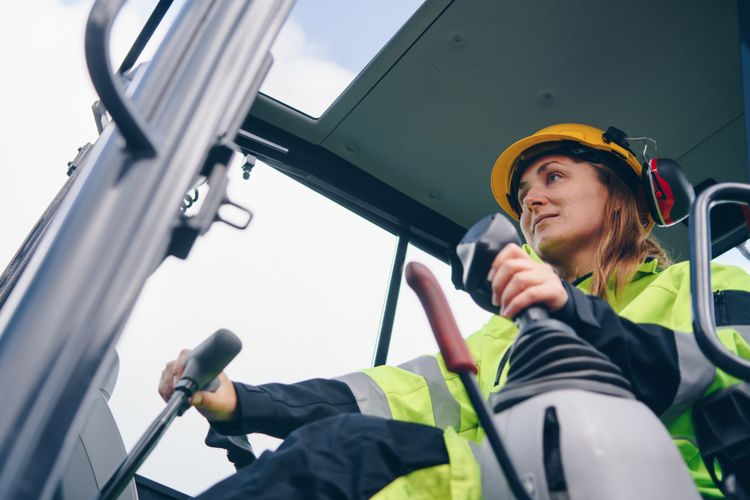
You probably measure your crews’ performance, but what about your machinery and equipment? “Efficient jobsites monitor more than one machine,” says Jason Daly, vice president of earthmoving sales, marketing and customer success at John Deere. That allows them to leverage advanced technology to optimize efficiency, reduce rework and “track how these elements affect...profits and downtime costs in real time.” It also helps them run a safer site by helping to identify incident patterns and take action to change processes.
Why it matters: Connected devices produce real-time insights so you don’t have to rely on assumptions or outdated information. More accurate and timely data improves operations and delivers a competitive advantage. (Fast Company)
Light construction could ease affordability challenges
Replacing heavier materials with lighter ones, especially wood, is gaining popularity among residential builders. The practice enables simpler foundations and reduces the need for heavy equipment and larger crews, which drops costs. And since much light construction is done offsite, there’s less variability in quality and schedules. (By some estimates, prefab can shave as much as 30% off timelines.) The practice can also produce tighter buildings, enhancing energy efficiency and lowering utility spend for buyers and renters.
Why it matters: The approach makes it possible to create more housing inventory quickly and at a lower price point, which could be an effective antidote to the nation’s housing affordability crisis. Light construction could also improve your project margins and make it possible to operate with smaller crews. (World Economic Forum)

>> New numbers: Residential permits rose in December
>> Buffalo buzz: Graffiti stops progress on Bills’ stadium
>> Truss tech: 3D printed beams used for floor trusses
>> Heartwarming hardhats: Crew supports hospitalized child

Making ChatGPT work for you
"I have projects set up and it's like I have…a virtual assistant all the time, really, in my life now. Before, I didn't know how to use projects…and I was just like chatting stuff all the time. But I think the more you learn about it, the easier your life gets — and then you can't live without it."
— Amy Marks, Compass Datacenters
How can you get the most from ChatGPT and similar AI apps? Amy Marks, senior vice president of innovation and sustainability at Compass Datacenters, shares her experience learning to write better prompts and setting up projects. She sits down with host Todd Weyandt on the inaugural episode of the series “Prefab, Unfiltered” with the Bridging the Gap podcast. The episode also explores how prefab is being used outside of the homebuilding sector.
Read more about how contractors are using AI.
Thanks for reading today's edition! You can reach the newsletter team at thelevel@mynewsletter.co. We enjoy hearing from you.
Interested in advertising? Email us at newslettersales@mvfglobal.com
Was this email forwarded to you? Sign up here to get this newsletter once a week.
The Level is curated and written by Margot Lester and edited by Bianca Prieto.